Cryptocurrency Theft & Wallet Hacks — Confidential Digital Investigation
The decentralized nature of cryptocurrency means that when your digital assets are stolen, there is no bank to call and no customer service to reverse the transaction.
Understanding Cryptocurrency Theft & Wallet Hacks
The decentralized nature of cryptocurrency means that when your digital assets are stolen, there is no bank to call and no customer service to reverse the transaction.
Mobile devices have become the primary interface for crypto traders, housing hot wallets (like MetaMask or Trust Wallet) and authenticator apps.
When a mobile wallet is unexpectedly drained, the victim is left in a state of panic, wondering how the attacker bypassed their security and where the funds went.
Digital Signals & Indicators
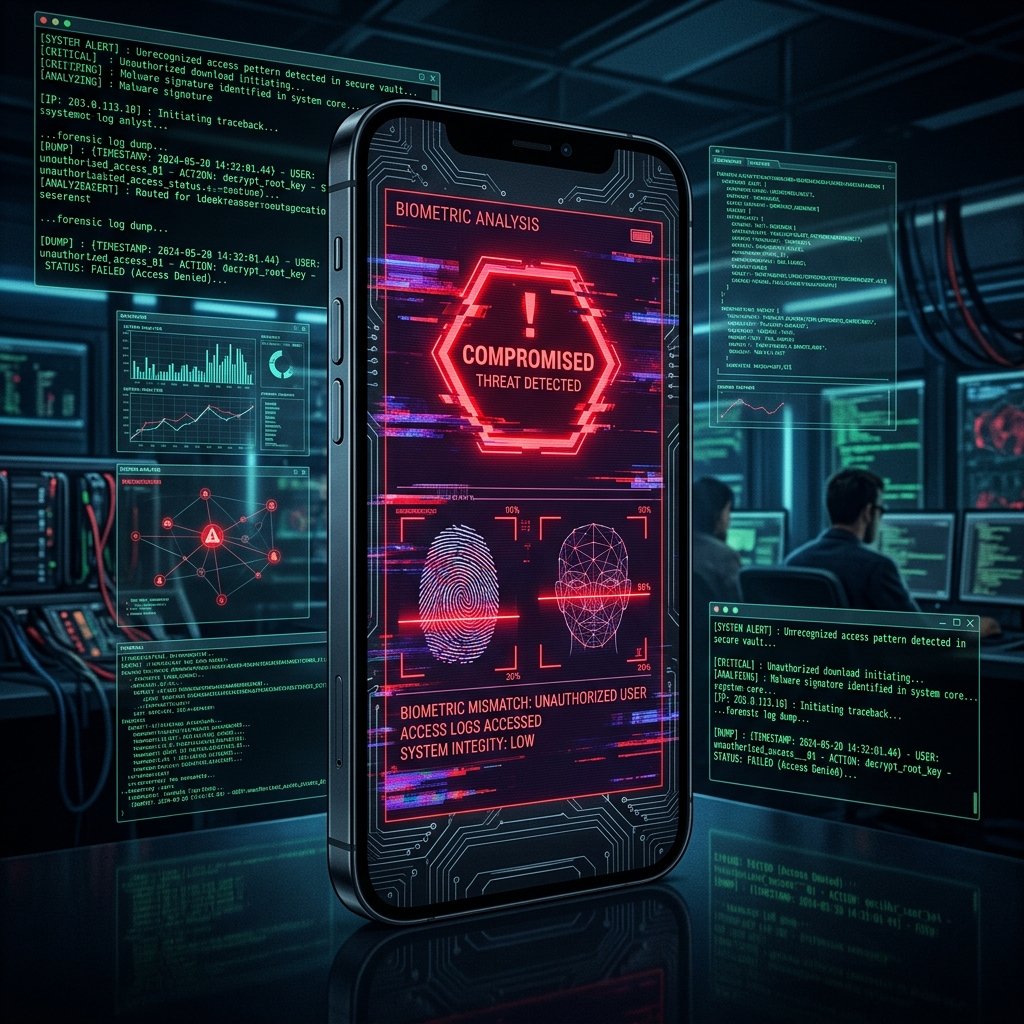
Crypto theft from a mobile device leaves specific forensic artifacts depending on the attack vector.
If a malicious smart contract (dApp) was authorized, the forensic evidence will be found in the Web3 browser cache within the wallet app, showing the exact malicious URL the user visited.
If the seed phrase was compromised via malware, we look for the presence of clipboard hijackers (malware that silently replaces copied crypto addresses) or screen-recording Trojans that captured the user viewing their recovery phrase.
A sudden loss of cellular service (a SIM Swap) immediately preceding the theft is a glaring signal that the attacker compromised the user's SMS-based 2FA to access a centralized exchange (like Coinbase or Binance).
- Clipboard Anomalies: Copied addresses pasting as different, attacker-controlled addresses.
- SIM Swap Indicators: Sudden loss of cellular service (SOS mode) just before the theft.
- Malicious App Sideloading: Presence of fake wallet apps downloaded from outside official stores.
- Web3 Browser History: Traces of interactions with phishing dApps or malicious smart contracts.
How This Scenario Typically Unfolds
Mobile crypto theft generally falls into three patterns.
1. The Phishing/Approval Scam: The user is tricked into connecting their mobile wallet to a fake website (often via an SMS link or Discord DM) and unknowingly signing a transaction that grants the attacker infinite approval to drain their tokens.
2. The Seed Phrase Compromise: The user stores their 12/24-word seed phrase in an insecure location on the phone (like the Notes app or a screenshot in the camera roll). Malware or a compromised iCloud account allows the attacker to extract the photo and recreate the wallet.
3. The Centralized Exchange Hack (SIM Swap): The attacker bypasses the mobile device entirely, hijacking the phone number via the carrier, resetting the exchange passwords, and draining the custodial accounts.
Our Investigation Approach
Our investigation is two-pronged: On-Device Forensics and Blockchain Tracing.
First, we image the mobile device to determine the exact vector of compromise. Was it malware? A bad smart contract? A compromised iCloud backup? This is crucial for establishing liability, especially if an exchange or carrier was at fault.
Second, we employ advanced blockchain analytics tools (like Chainalysis or TRM Labs). We trace the stolen assets across the blockchain, following them through mixers, cross-chain bridges, and decentralized exchanges.
The ultimate goal of the tracing phase is to identify the 'cash-out' point—the centralized exchange where the attacker attempts to convert the crypto to fiat currency.
What Happens After the Investigation
We produce a highly technical blockchain tracing report combined with the mobile forensic findings.
When we identify the cash-out exchange, we prepare an urgent dossier that your legal counsel can use to file a John Doe lawsuit and serve a subpoena on the exchange to freeze the attacker's account and reveal their KYC (Know Your Customer) identity.
We also provide comprehensive op-sec training to secure your remaining assets, emphasizing hardware wallets and robust 2FA mechanisms.
Frequently Asked Questions
Related Recovery Services
$ Open a secure channel. PGP preferred. Pre-engagement NDA available on request. Ready to proceed?
[ INITIATE SECURE CONTACT ]